
Premium Home Materials: When They Are Worth It
Premium is not automatically better. Here is how to weigh function, maintenance, and budget before you lock in material specifications.
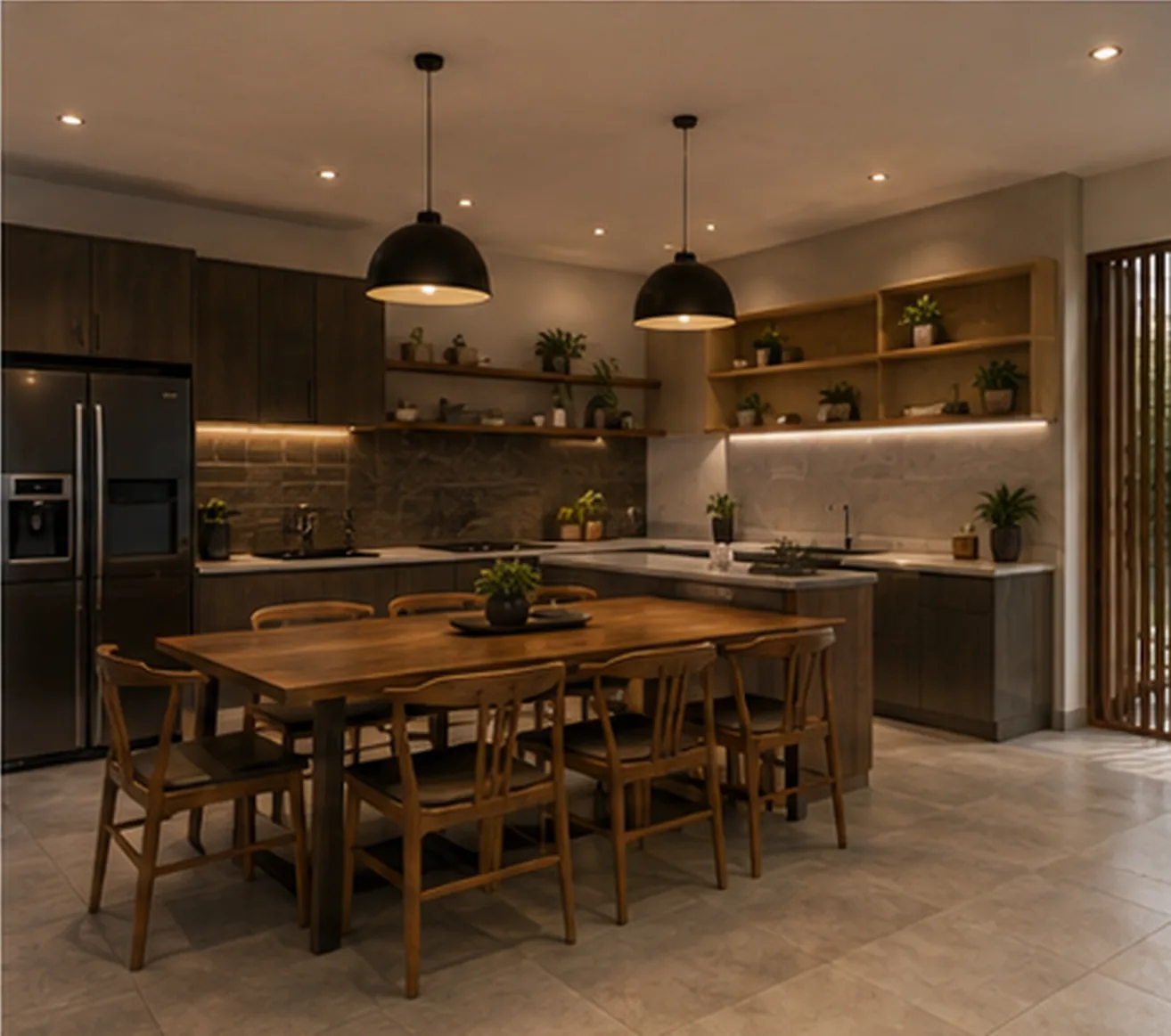
Premium home materials are worth choosing when their advantages are noticeable in daily use, not just in a brochure. In many other areas, a fit-for-purpose material matched to wear, climate, and upkeep gives a better result for the same budget. What matters is how you decide, not the price tag.
Premium and fit-for-purpose are not the same thing
Premium materials usually mean a top-end material, finish, or brand. Think solid natural stone, solid timber, large-format tiles, or high-end sanitaryware. They cost more and often take longer to arrive.
Fit-for-purpose materials are specified to match what a space actually needs. That is not the same as cheap. Wet areas still need moisture-resistant materials, and high-traffic floors still need scratch-resistant surfaces. What you avoid is paying for qualities the space will never use.
Risks to watch for
Poor material choices rarely show on handover day. They tend to appear after a few months of use. The most common risks:
- Budget spent too early. Premium materials go into the first room discussed, and the rest of the house has to compromise.
- Wrong placement. A beautiful but delicate material ends up in a hard-working area, such as porous stone on a kitchen counter that is often stained.
- Maintenance not budgeted. Some materials need regular resealing or special cleaning products.
- Availability and lead times. Imported or custom items can affect the schedule if they are not ordered on time.
- Installation details not ready. An expensive material installed with poor detailing still looks unfinished.
Five questions to help you decide
Before you lock in a specification, ask these questions for each major element.
1. How often is it touched and seen?
Door handles, taps, countertops, and main living-area floors are touched every day. This is where quality is most noticeable. Ceiling frames and wall interiors are hidden, so what they need is reliability, not looks.
2. What wear and conditions will it face?
Greater Jakarta is hot and humid. Timber, stone, and finishes should be judged on how well they handle humidity, sun, and mould. Areas near openings, bathrooms, and kitchens need extra care.
3. What does it cost over its lifetime?
Compare the purchase price plus maintenance and likely replacement. A material that costs more upfront is sometimes cheaper in the long run, and sometimes the opposite.
4. Can it be built well?
Make sure there are technical details, installers who know the material, and clear tolerances. Premium materials demand precise workmanship.
5. Will it arrive on schedule?
Check lead times during design, and agree on alternatives in case stock runs out.
Where premium materials usually matter most
As a general pattern, a material budget works hardest when it goes to a few places that see heavy use and high visibility:
- Kitchen countertops and work surfaces.
- Floors in the living area and main circulation routes.
- Hardware used daily: hinges, drawer runners, handles, taps.
- One or two focal elements, such as a feature wall or staircase.
Guest rooms, service areas, and cabinet interiors are often well served by durable fit-for-purpose materials. This keeps the home's character strong without stretching the whole budget. For a visual reference of timber and stone combined in a home interior, see Warm Tropical Home Interior.
How to manage material decisions during the project
Material decisions should be written down, not kept as verbal agreements. A few tools help:
- Material boards and physical samples. You see and handle materials before approving them, ideally under the room's actual lighting.
- Specifications in the BOQ. The BOQ (bill of quantities) lists the type, size, and quantity of each material, so you can compare options on cost.
- Clear allowances. An allowance is a provisional budget for items not yet finally selected, and it should be set realistically. See our guide to RAB, BOQ, allowances, and contingency (RAB is the Indonesian cost plan).
- Design freeze. The design freeze is the point at which design and specifications are locked before procurement and construction start.
- Variation orders. Swapping a material after the contract is signed is handled as a variation order: a change whose cost and impact are approved before the work is done. Read more on when variation orders are normal.
At Brun Vert Studio, the estimate is developed alongside the design during the Design & Cost Alignment phase, so material options are discussed together with their cost impact. You can see how each phase works on our process page.
A typical example: the family kitchen
Picture a kitchen used for cooking every day. The countertop takes heat, stains, and knocks. A dense, easy-to-maintain surface deserves a larger share of the budget here, and so do drawer runners and hinges that open dozens of times a day.
The inside of the upper cabinets, on the other hand, can use moisture-resistant board with a neat standard finish. You get quality where it counts, and the savings can go to lighting or ventilation that improve comfort. This follows the same approach as designing a home that fits the budget from the start.
Frequently asked questions
Do premium materials always last longer?
Not always. How long a material lasts depends on whether it suits its use, how well it is installed, and how it is maintained. A premium material in the wrong place can show wear sooner.
When should materials be selected?
Ideally before the design freeze and before the final cost plan is prepared. You can still make choices after signing, but they are handled as changes that need separate approval.
What share of the budget should go to materials?
It varies by project, scope, and finish level. For an initial picture, see our reference pricing, then refine it through an estimate that develops with the design.
If you are weighing specifications for a new home, a renovation, or an interior design project, we can help you work out which areas justify premium materials and where fit-for-purpose choices are enough. You are welcome to request an initial project review and start the conversation on a clear footing.