
Designing a Home That Fits Your Budget Early
Fitting design to budget isn't about cutting back on what you want, but aligning design and cost from day one to avoid surprises later.
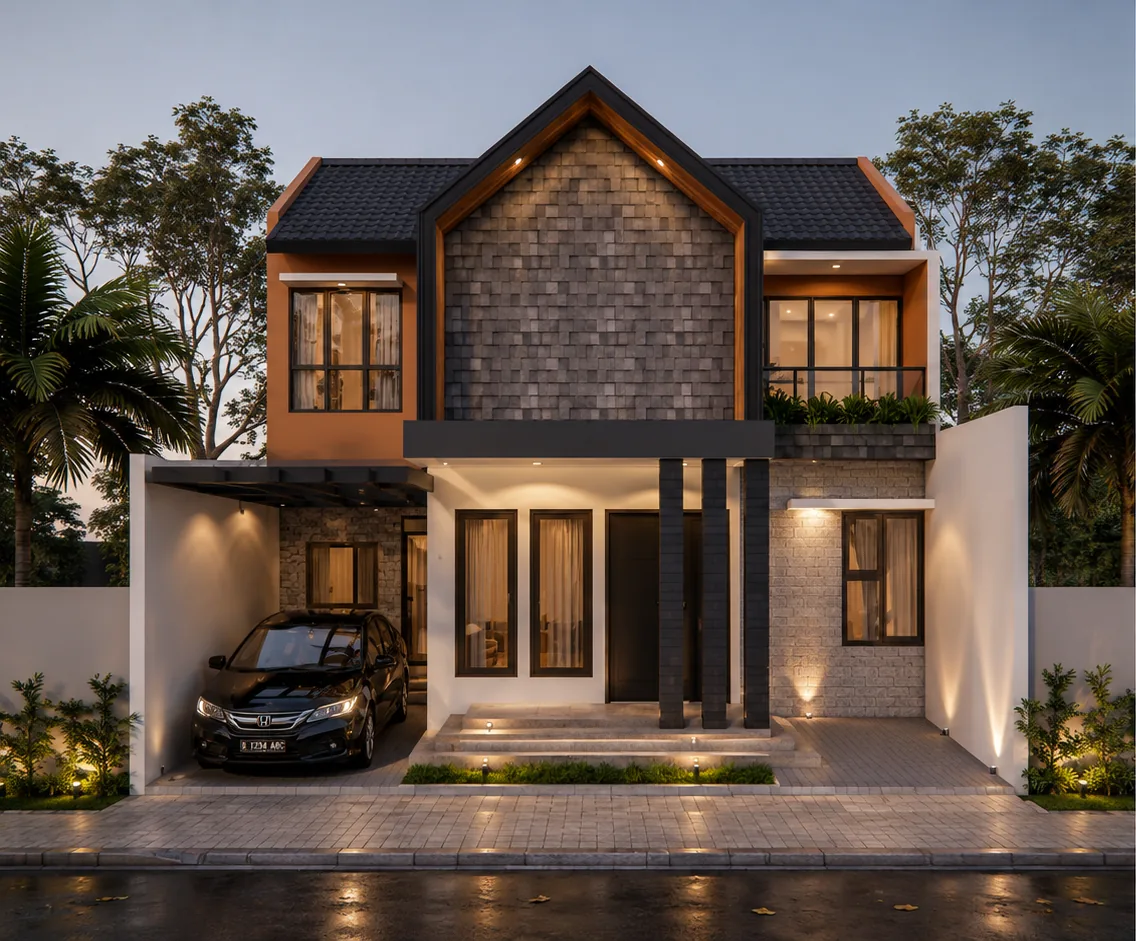
Many homeowners start with an appealing design, only to discover the cost far exceeds their plan once the design is nearly finished. Designing a home that fits your budget works the opposite way: budget and design are developed together, not one after the other. This approach reduces the risk of major revisions midway and keeps your decisions grounded.
Why Design and Budget Should Move Together
Design created without considering budget tends to produce two equally costly outcomes: the design has to be reworked entirely, or the budget balloons far beyond the original plan. Both consume extra time and money that could have been avoided.
When cost estimates are developed alongside the design from the concept stage, every decision—room size, material choice, number of floors—can be tested against your budget limit right away. This isn't about limiting creativity, but giving clear direction from the start.
Common Risks When Budget Is Ignored Early On
- The final design can't be built within available funds, requiring a rework and delaying the schedule.
- Material and structural decisions are made without cost data, making them hard to compare objectively.
- Variation orders (approved changes to scope) become more frequent because the initial scope wasn't realistic against the available funds.
- Emotional decisions replace data-based ones, such as choosing a design for its visual appeal without considering its cost impact.
To understand how cost components are formed, read more in the cost of design and build homes and what shapes it.
How to Align Design with Budget
Start from Discovery, Not Finished Drawings
A sound first step is understanding your needs, site, and budget range before any design drawings are produced. From there, the architect can propose realistic options, not just visually appealing ones.
Cost Estimates Run Parallel to Design
Each stage of design development should ideally come with an updated cost estimate. This lets you see the impact of each decision—adding a floor, changing the roof type—on the total cost before that decision is locked in.
Bill of Quantities Prepared Before the Contract
A bill of quantities, or BOQ (known locally as RAB), is a detailed cost breakdown based on work volume and material specifications. Preparing it before the contract is signed ensures you and the construction team share the same reference for scope and cost. If you're unfamiliar with this document, understanding a construction budget: how to read it before building is a useful starting point.
Design Freeze as a Control Point
A design freeze is the point where the design is agreed upon and no longer undergoes major changes before moving into technical development. Setting this point clearly helps prevent repeated changes that affect both cost and schedule.
How This Process Is Applied Step by Step
Brun Vert Studio runs its process through four phases: Project Discovery to understand your needs and budget range, Design & Cost Alignment to align the design with cost estimates, Technical Development to prepare technical documents and the BOQ, and Construction & Handover for execution and handover. Each phase ends with an approval point, so you always know where the project stands and the basis for each decision. A full explanation is available on the process & safeguards page.
Examples from Real Projects
In a project like Modern Timber and Stone House, facade material choices and building proportions were weighed against budget constraints from the design stage, not after technical documents were finished. A similar approach is seen in Gabled House with Natural Stone, where key material elements were considered alongside cost estimates from the early planning stage.
Practical Steps Before Starting Design
- Set a realistic budget range, including a contingency fund commonly set aside for unforeseen needs.
- Discuss space needs openly, including which ones are priorities and which can be adjusted.
- Request an early cost estimate before the design is developed further.
- Make sure the BOQ is prepared and agreed upon before the construction contract is signed.
If you're considering a full renovation, what to prepare before renovating covers relevant preparation steps before the design process begins.
Frequently Asked Questions
Does designing to fit a budget mean sacrificing quality?
Not necessarily. Aligning design with budget is more about setting priorities deliberately—for instance, choosing durable materials for heavily used areas while adjusting other, more flexible elements.
When should budget discussions start with an architect?
Ideally from the project discovery stage, before design drawings are developed. This gives the architect room to propose options that are realistic for your available funds.
Is an early cost estimate the same as the final price?
No. An early estimate is a planning reference that gets updated as the design develops. The final price is agreed upon through the BOQ before the construction contract.
If you'd like to start your design process with a clear budget from the outset, explore our architectural design service or submit a project discovery request to discuss your needs and budget directly.